The Story
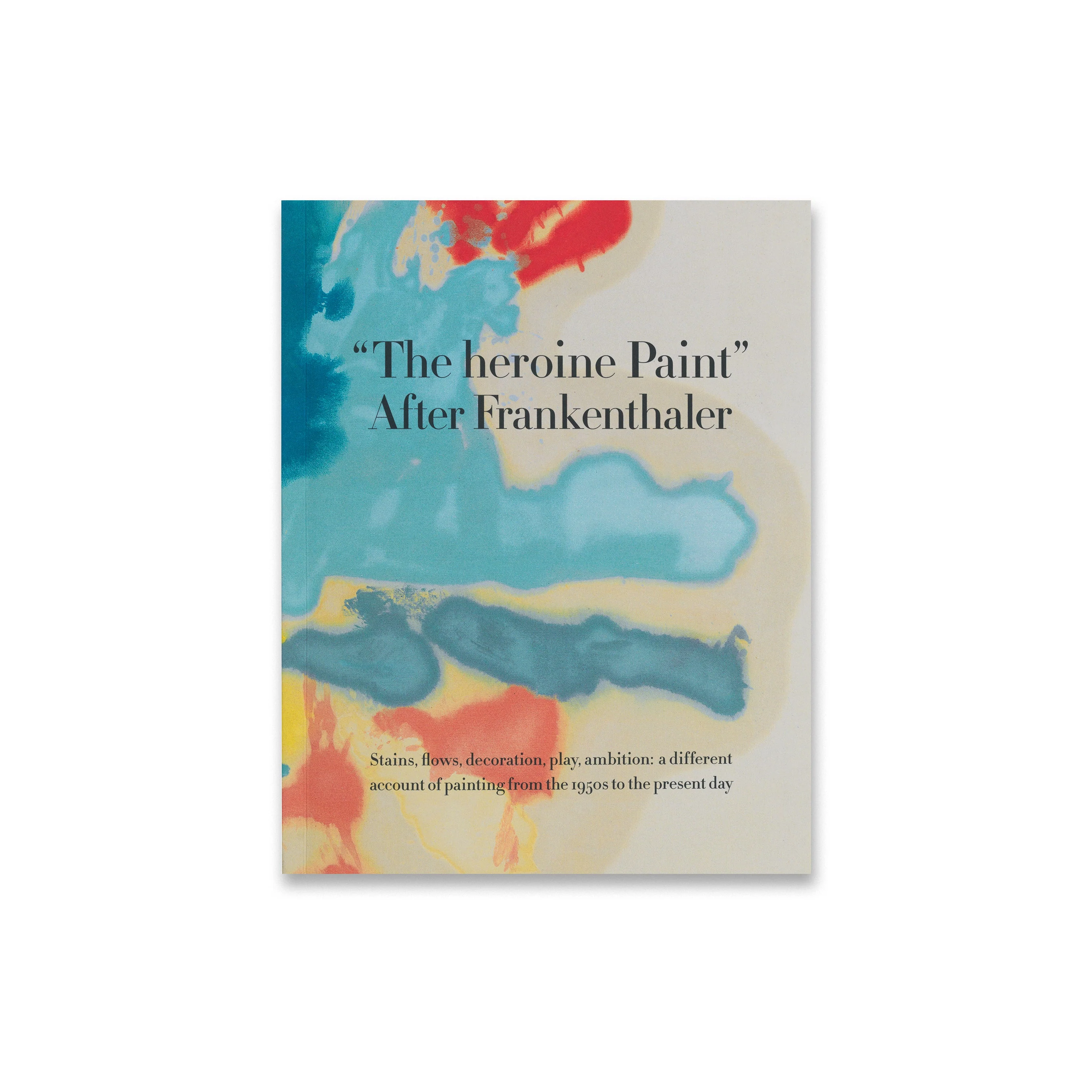
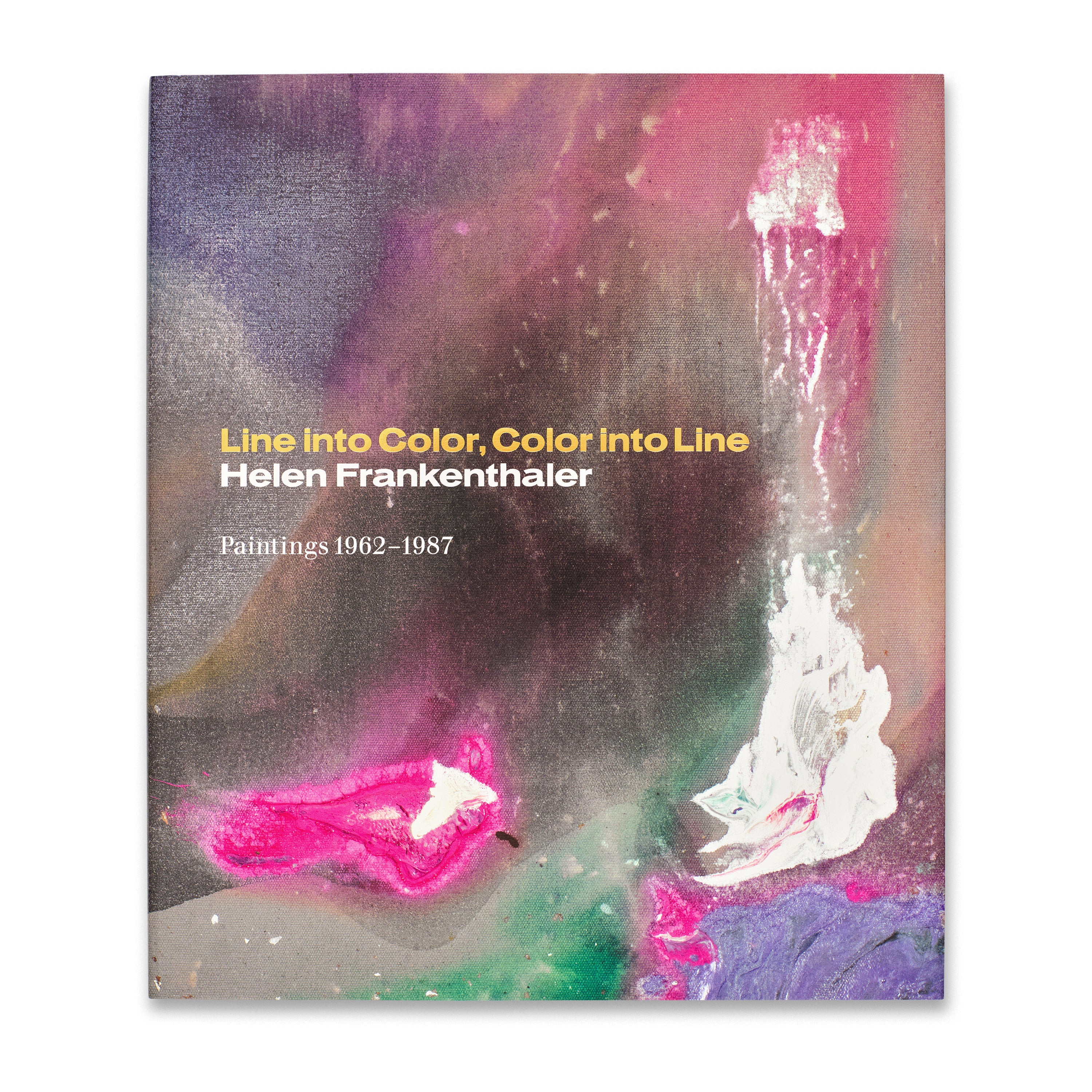
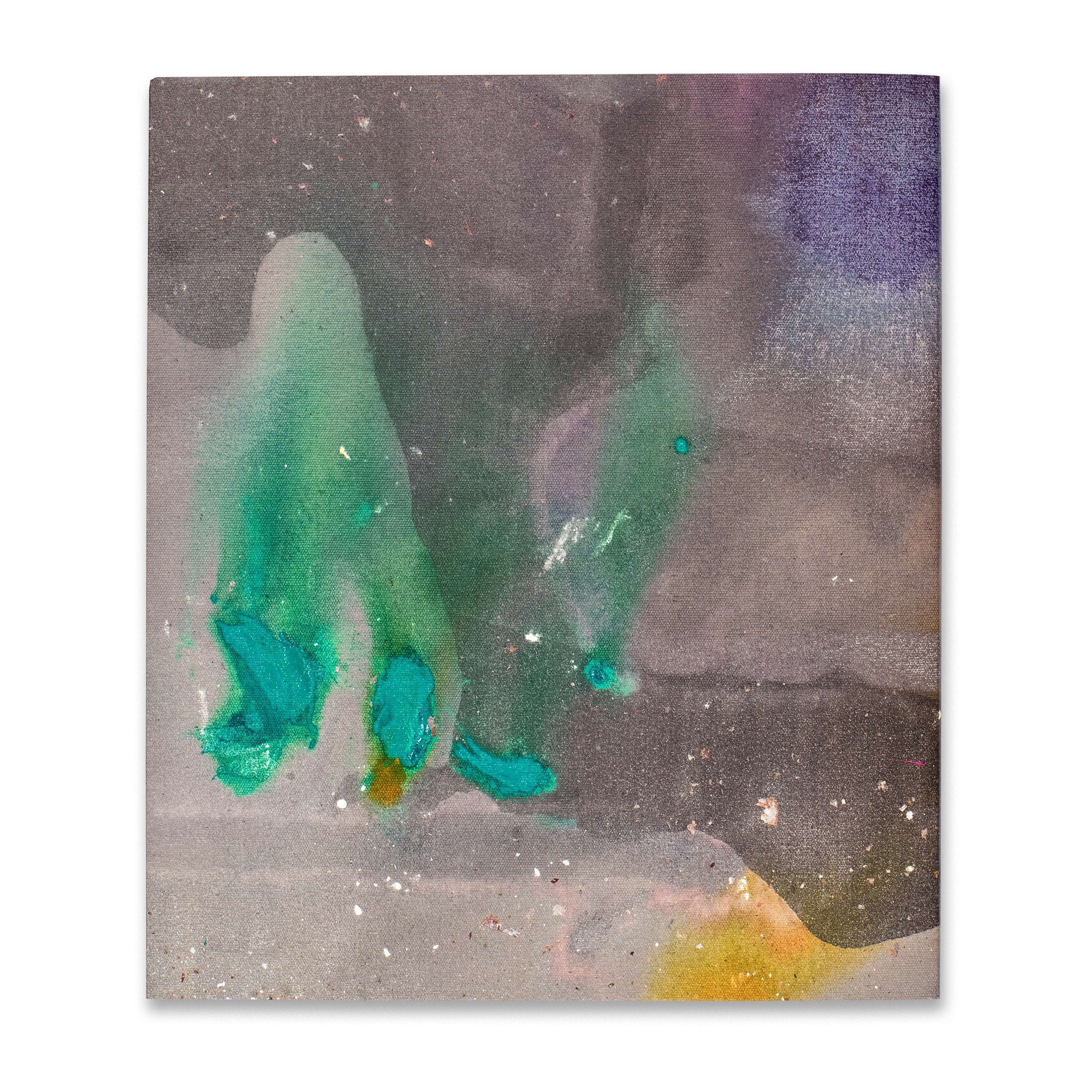
This book was published on the occasion of Line into Color, Color into Line: Helen Frankenthaler, Paintings 1962–1987 at Gagosian, Beverly Hills. Presenting eighteen paintings from a span of twenty-five years, the exhibition focused on Frankenthaler’s negotiation of the relationship between painting and drawing. In the 1950s, she pioneered a method of painting by pouring linear tracks and spreading areas of thinned paint onto unprimed canvas. Beginning in the early 1960s, broad areas of color are accompanied by gestures so narrow as to seem drawn. Frankenthaler developed the quality of her paintings’ linear elements and the varied application of color through the 1970s and 1980s. By the mid-1980s, she brought together her innovations in both drawing and painting, consolidating approaches to compose canvases of great rigor, sensuousness, and originality.
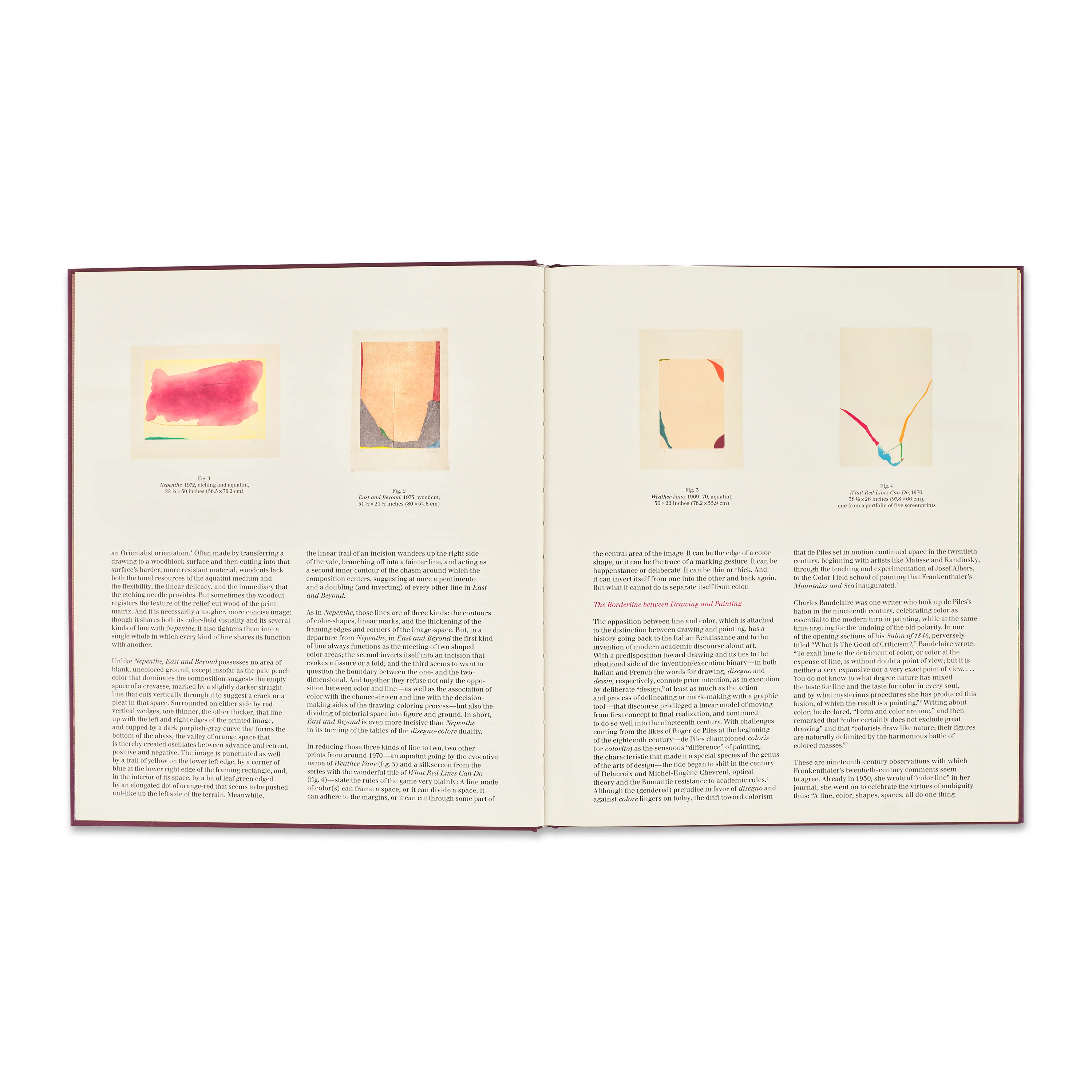
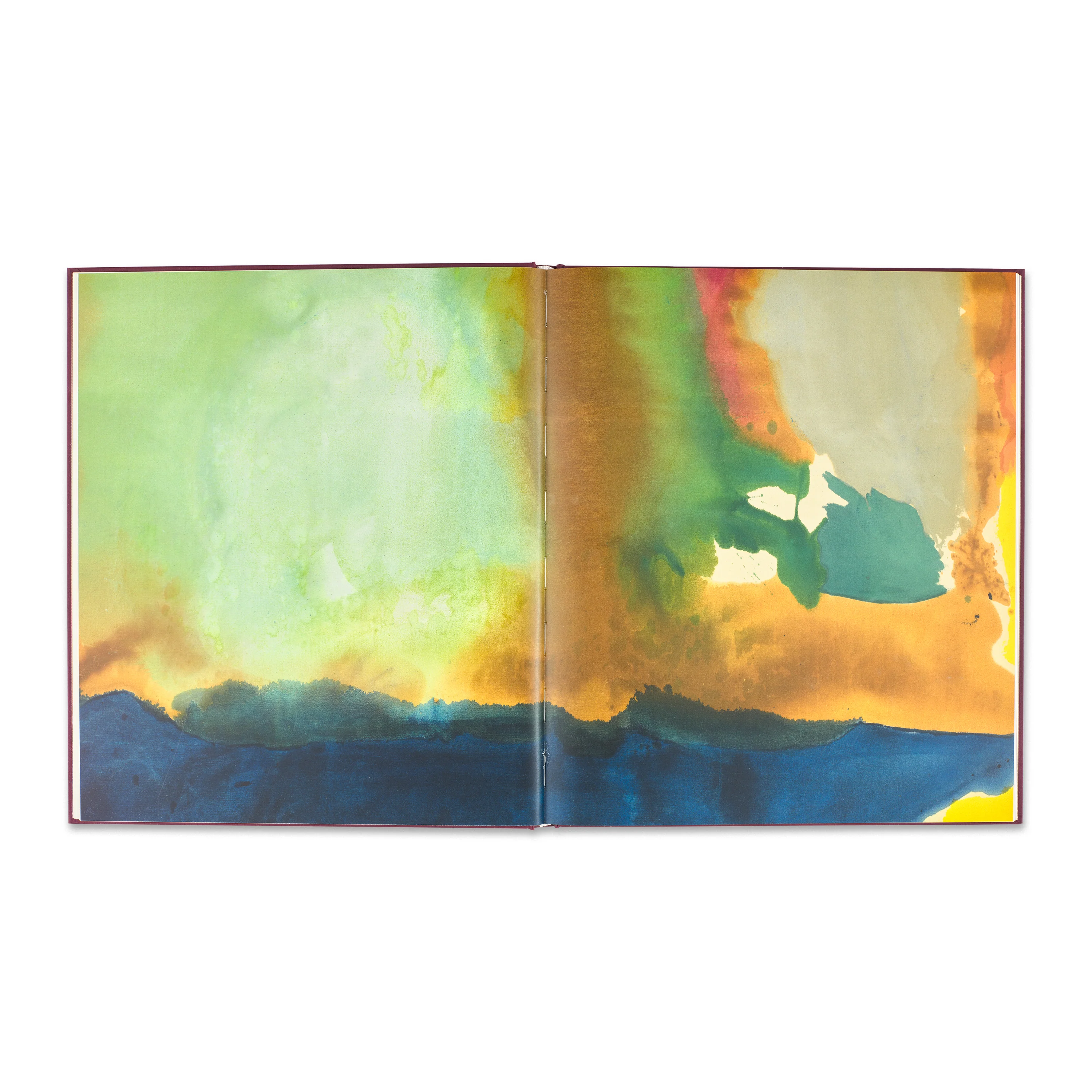
The catalogue features color plates of the exhibited paintings alongside details that reveal Frankenthaler’s varied treatment of line and color and quotations from the artist that reflect on their relationship. It includes a preface by John Elderfield that defines the exhibition’s focus; an essay by Francine Prose on complexity and the use of color in the artist’s work, as well her status as a woman painter and how luck shaped her career; and an essay by Carol Armstrong that traces compositional polarities and synergies through Frankenthaler’s output of this era.
Details & Craftsmanship
Every detail has been carefully considered to bring you the perfect product.
Details & Craftsmanship
Every detail has been carefully considered to bring you the perfect product.
Details & Craftsmanship
Every detail has been carefully considered to bring you the perfect product.

Details & Craftsmanship
Every detail has been carefully considered to bring you the perfect product.
Details & Craftsmanship
Every detail has been carefully considered to bring you the perfect product.
Description
This book was published on the occasion of Line into Color, Color into Line: Helen Frankenthaler, Paintings 1962–1987 at Gagosian, Beverly Hills. Presenting eighteen paintings from a span of twenty-five years, the exhibition focused on Frankenthaler’s negotiation of the relationship between painting and drawing. In the 1950s, she pioneered a method of painting by pouring linear tracks and spreading areas of thinned paint onto unprimed canvas. Beginning in the early 1960s, broad areas of color are accompanied by gestures so narrow as to seem drawn. Frankenthaler developed the quality of her paintings’ linear elements and the varied application of color through the 1970s and 1980s. By the mid-1980s, she brought together her innovations in both drawing and painting, consolidating approaches to compose canvases of great rigor, sensuousness, and originality.
The catalogue features color plates of the exhibited paintings alongside details that reveal Frankenthaler’s varied treatment of line and color and quotations from the artist that reflect on their relationship. It includes a preface by John Elderfield that defines the exhibition’s focus; an essay by Francine Prose on complexity and the use of color in the artist’s work, as well her status as a woman painter and how luck shaped her career; and an essay by Carol Armstrong that traces compositional polarities and synergies through Frankenthaler’s output of this era.